Introduction
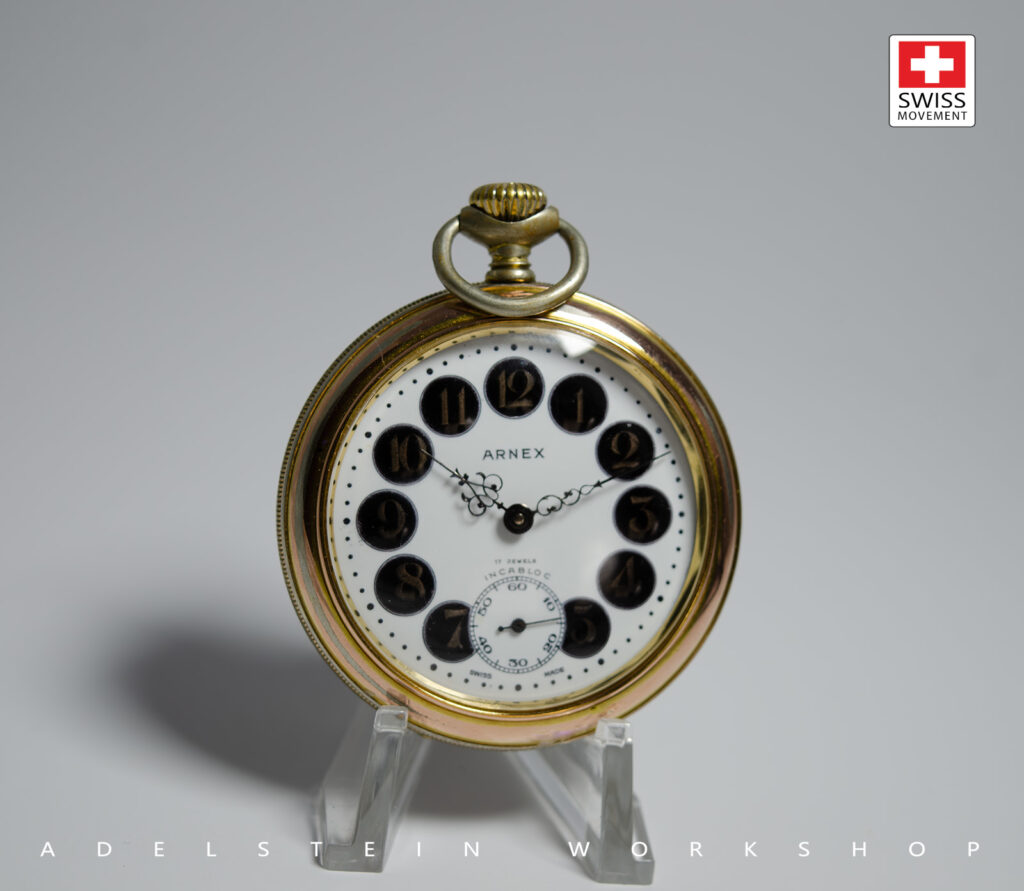
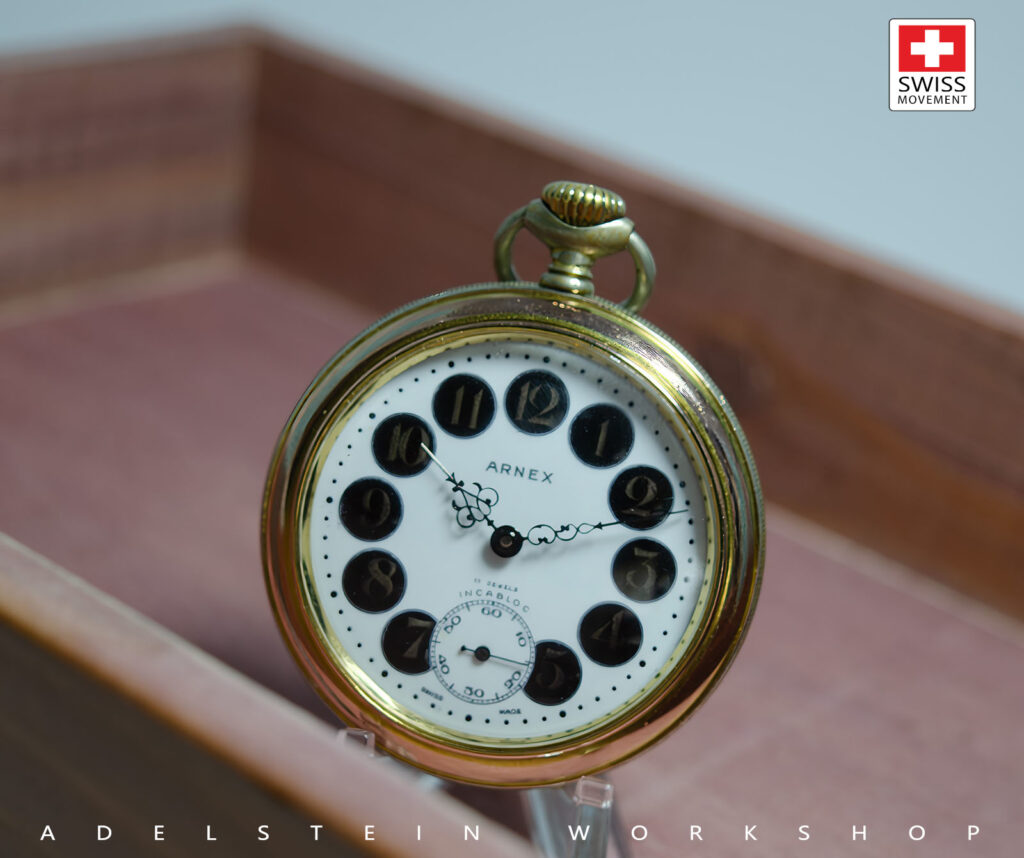
In the pantheon of Swiss horology, the Arnex 6431 rarely earns top billing. Yet for collectors and historians alike, this modest pocket watch offers a compelling glimpse into the transitional era of 1970s watchmaking—when affordability, mechanical reliability, and American demand converged to create something unexpectedly enduring.

Origins of Arnex: Setting the Record Straight
Founded in 1971 by Arnold Fuchs (not Claude Wollman, as some sources mistakenly claim), Arnex SA emerged as a Swiss Joint Stock Company with a clear mission: to produce accessible mechanical pocket watches for the American market. With Arnold and his wife Isabel at the helm, the company began in a modest Manhattan office at 707 West 48th Street, gradually expanding as demand grew.
The company’s name is derived from its founder, “Arnex,” coming directly from Arnold’s first name. Claude Wollman, often incorrectly cited as the founder, was Arnex’s Swiss agent based in Bienne, coordinating production with Swiss suppliers.
With initial capital focused on cost-effective materials—acrylic crystals, base metal cases, and printed dials—Arnex carved out its niche by pairing affordable construction with reliable Swiss movements. The strategy worked: by the mid-1970s, Arnex watches were flooding American department stores and gift catalogs.
The 6431 Model: More Than Meets the Eye
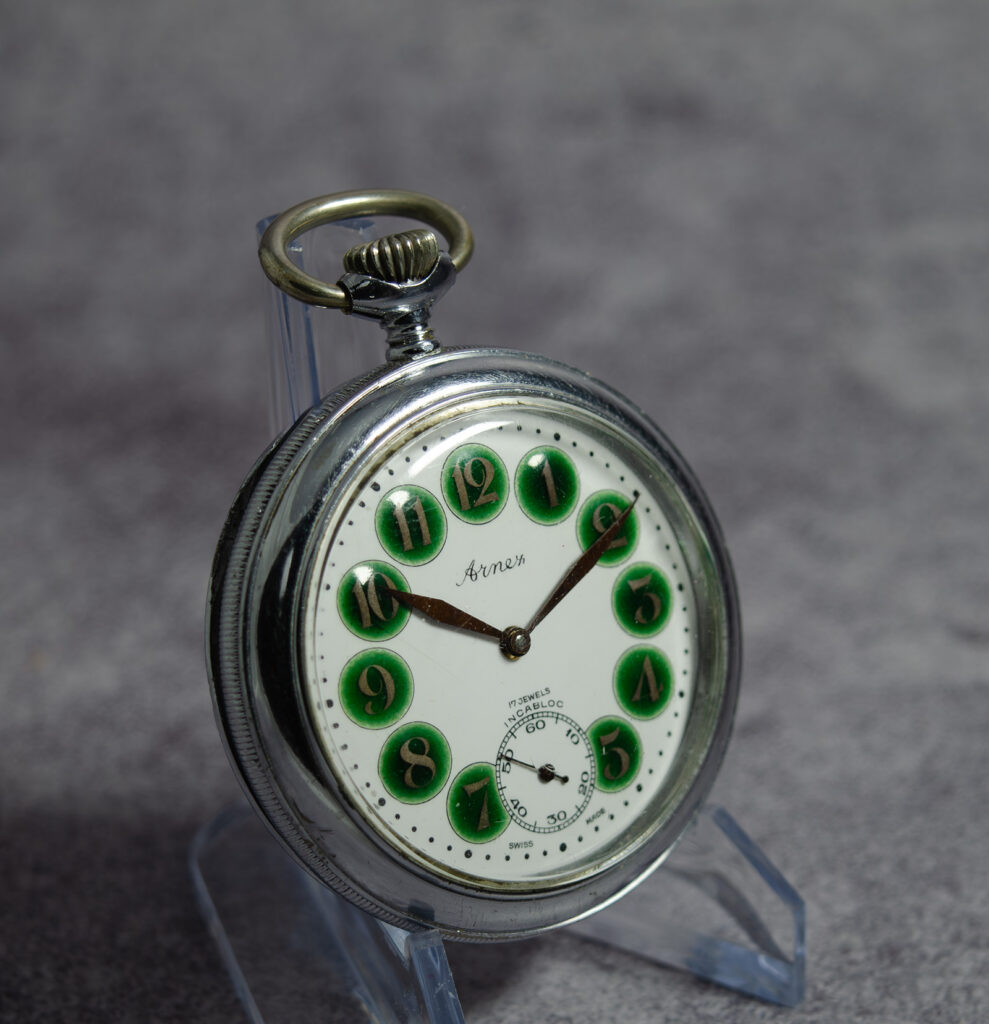
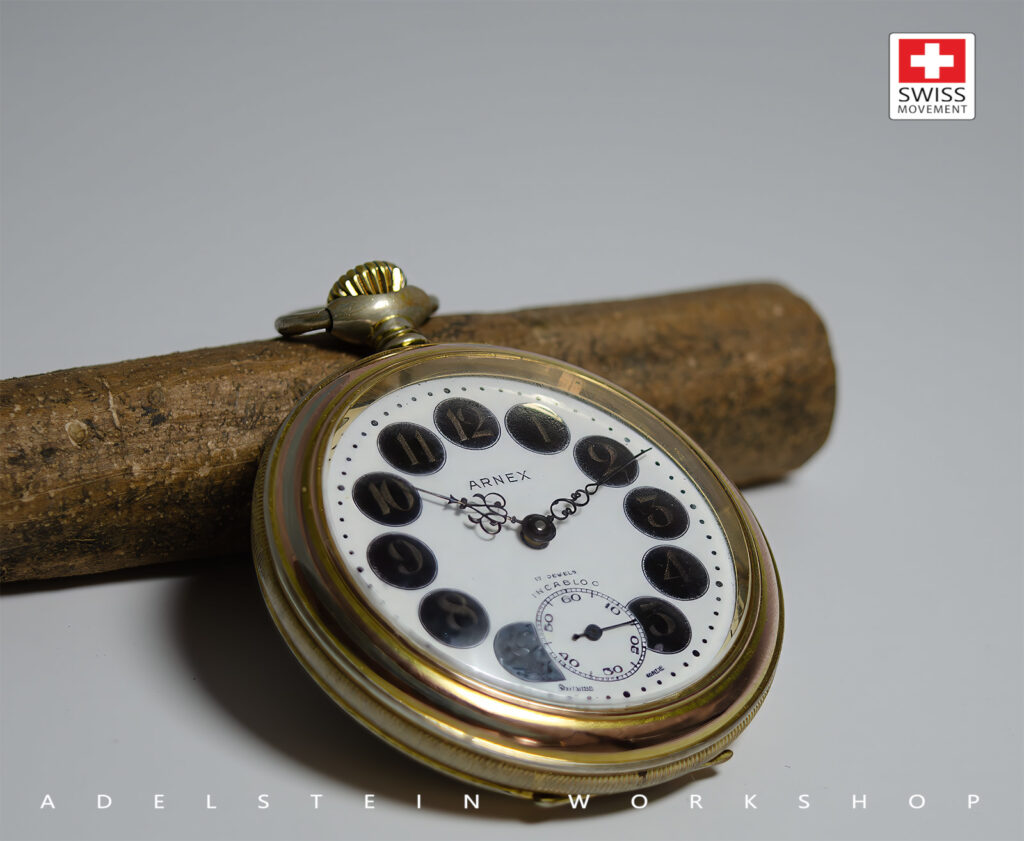
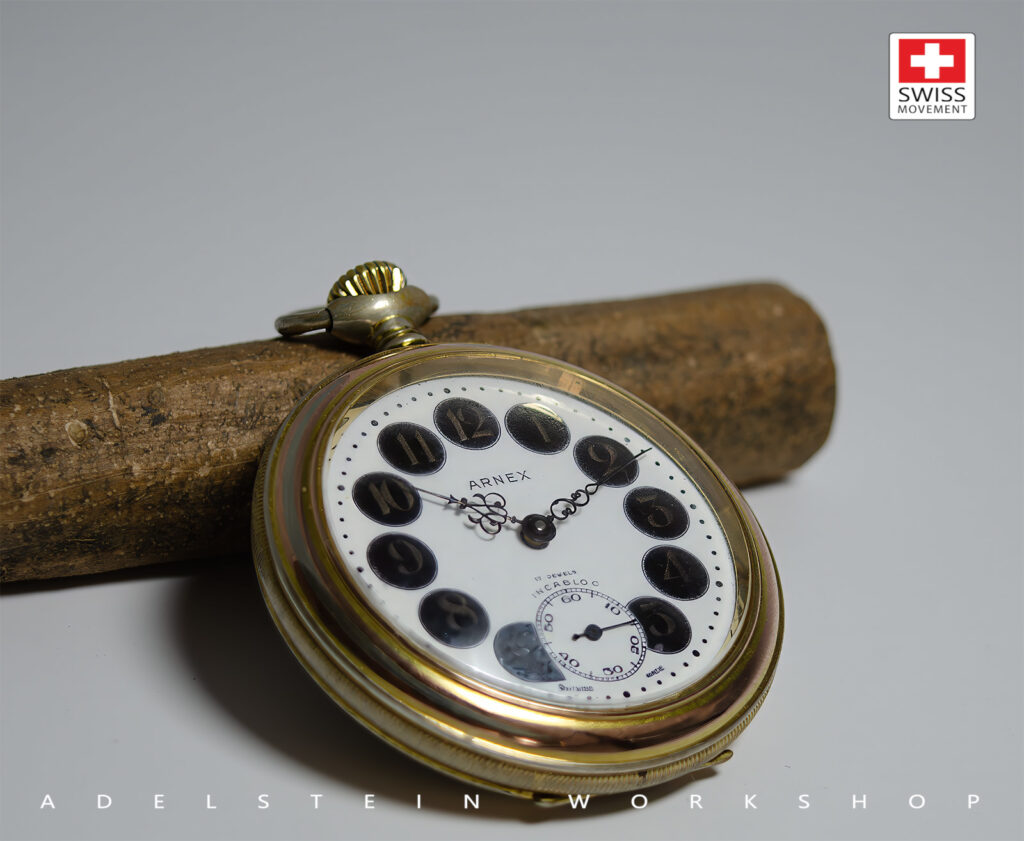
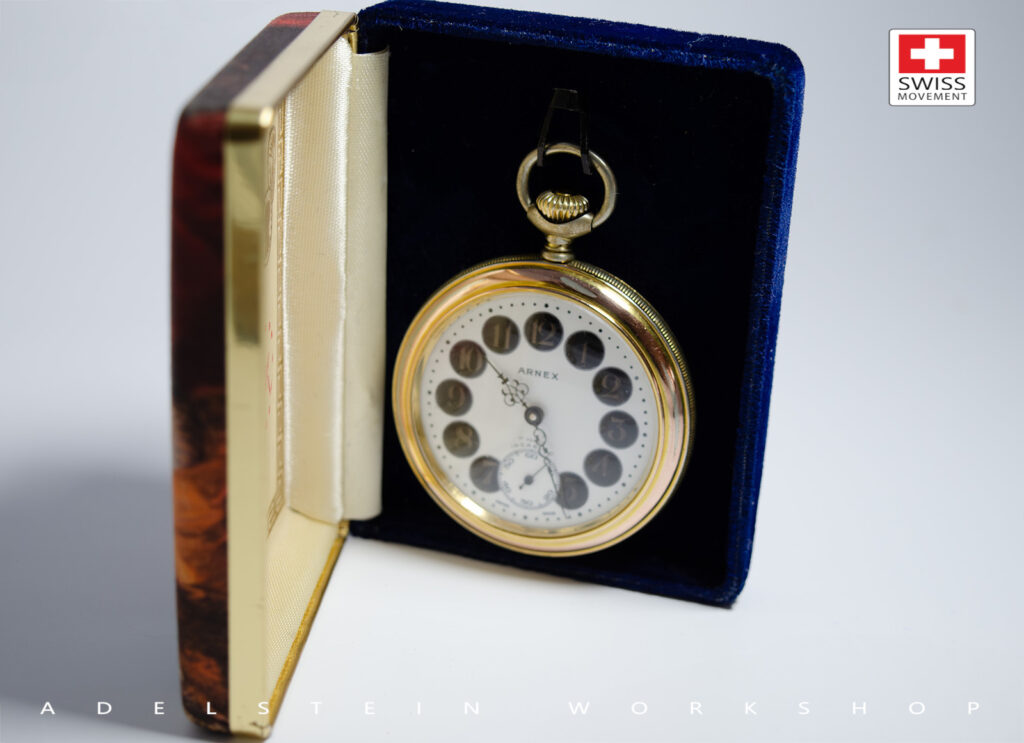
The Arnex 6431 exemplifies the brand’s ethos while hiding a mechanical secret. Typically housed in chrome-plated or gold-tone cases with fired enamel or printed metal dials, these watches featured the characteristic styling of mid-century pocket watches: Roman numerals, cathedral hands, and a sub-seconds register at 6 o’clock.
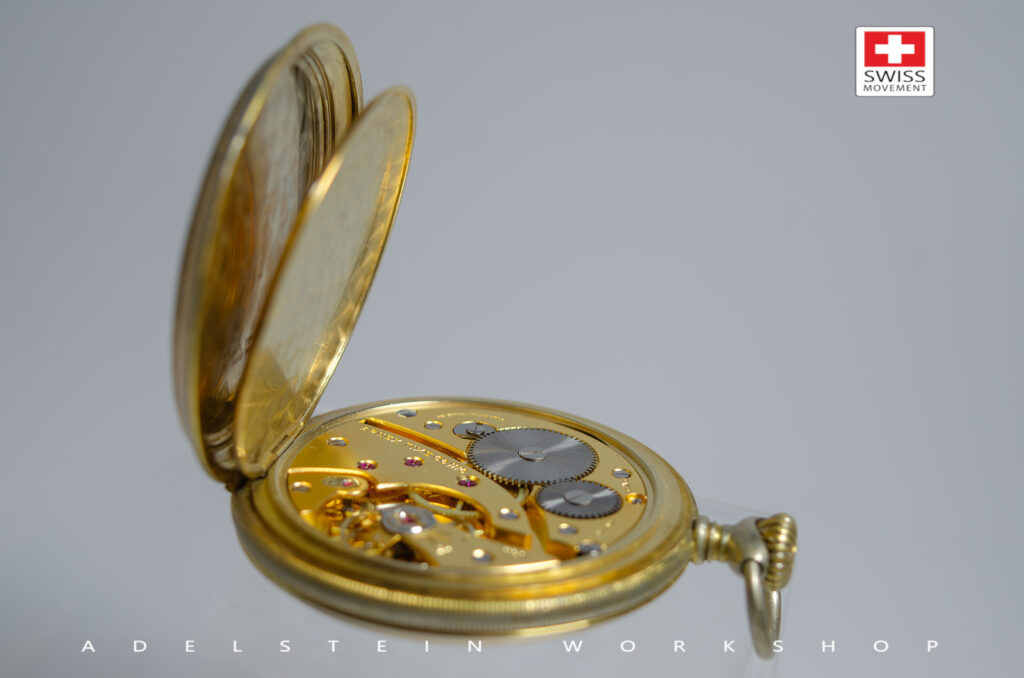
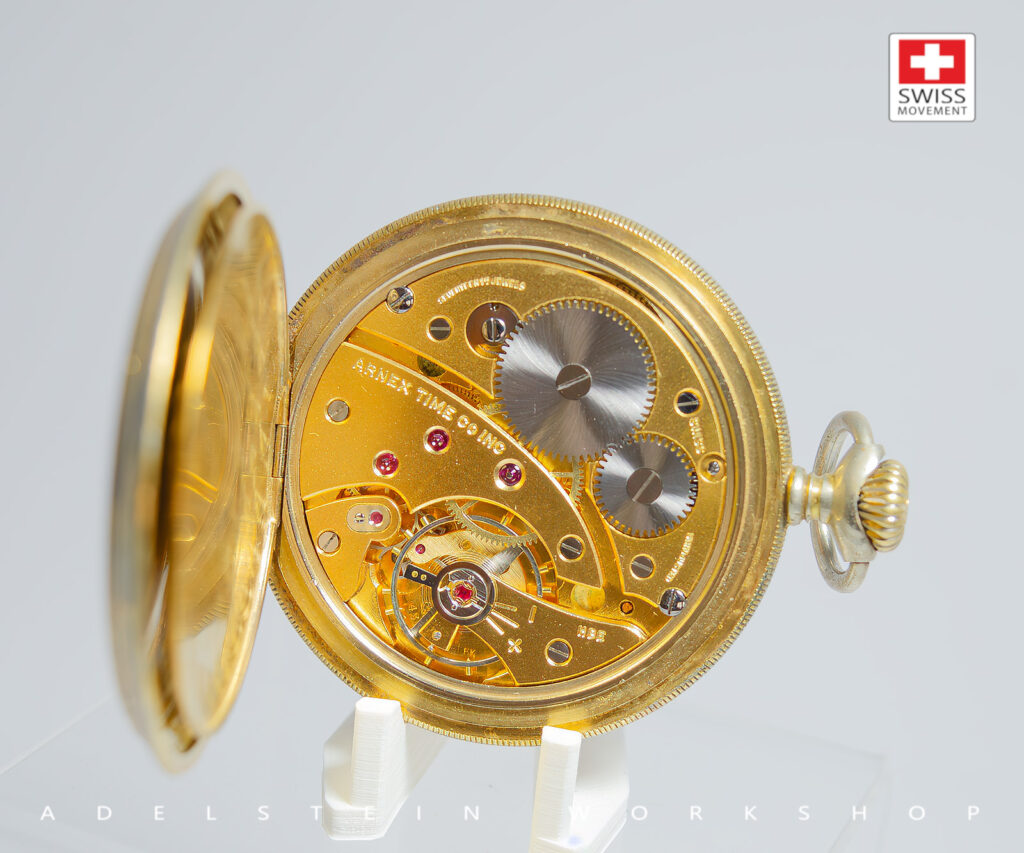
But beneath the accessible exterior lay something special—the Unitas 6431/6445 movement, a caliber that preceded the more famous 6497 and represented a higher grade of Swiss mechanical engineering.
Technical Specifications
The Unitas 6431/6445 movement featured:
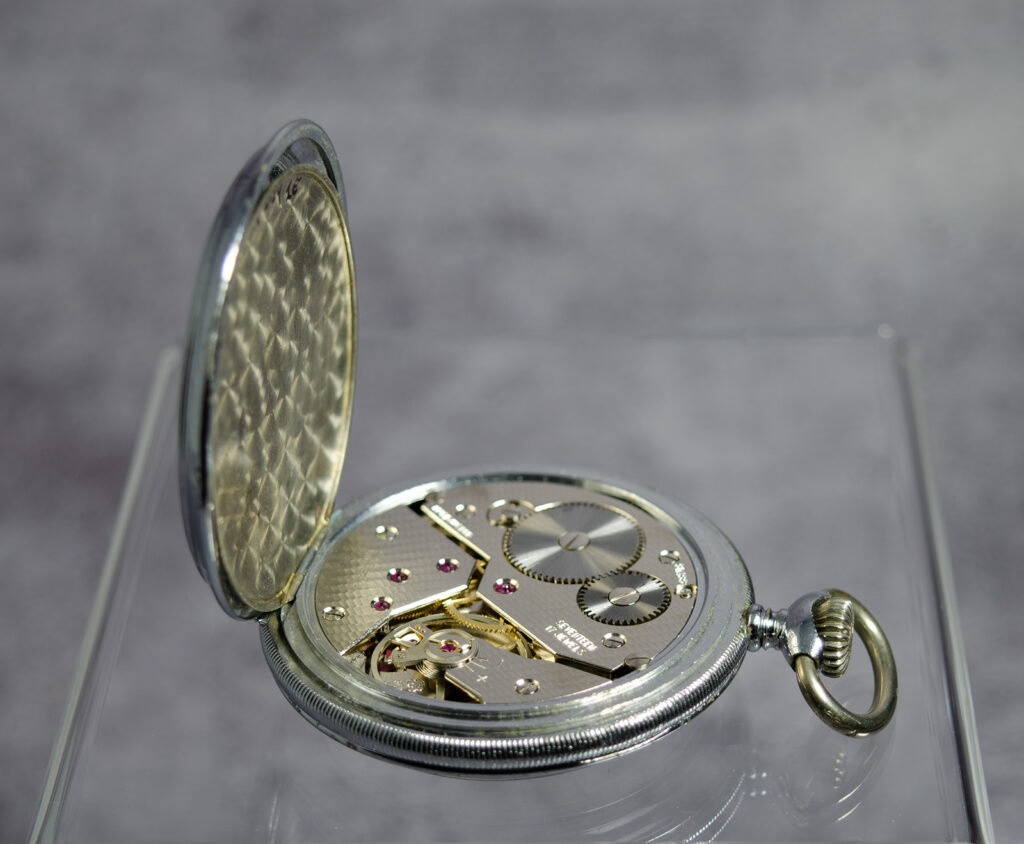
- Size: 18.5”’ ligne (41-41.70mm diameter, 4.70mm height)
- Jewels: 17 jewels with Incabloc shock protection
- Power Reserve: 41 hours
- Beat Rate: 18,000 vibrations per hour
- Features: Manual winding, sub-seconds at 6 o’clock, adjustable stud holder, conventional regulator
What made this movement special was its superior construction compared to typical budget watch calibers. Unlike many American pocket watches of the era, the 6431/6445 included shock protection, a moveable stud holder for fine regulation, and a flat hairspring—features that made it both more reliable and easier to service.
Market Position and the Private Label Revolution
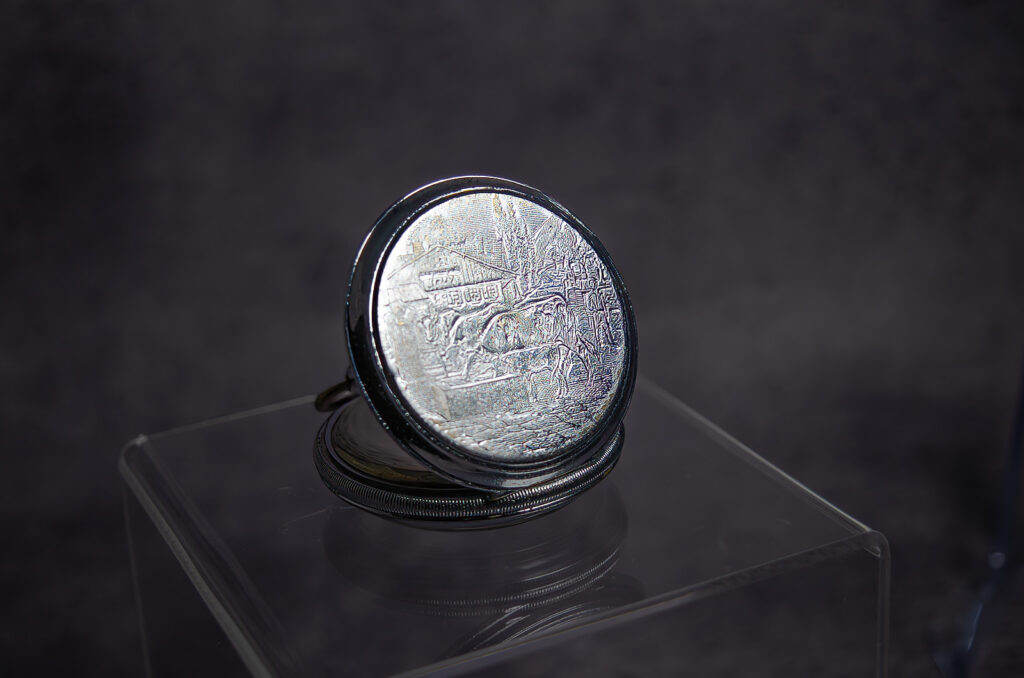
Though not considered high-end, the Arnex 6431 occupied a unique position during the quartz revolution of the 1970s. While electronic timekeeping was rapidly gaining market share, Arnex remained committed to mechanical movements, offering American consumers an affordable entry point into Swiss watchmaking.
The company’s genius lay in its private-label strategy. Arnex watches were extensively rebranded under prestigious names including Lucien Piccard, Hallmark, Neiman Marcus, Le Jour, and Lorenz. This ubiquity, while diluting brand prestige, helped cement the 6431’s place in American horological memory and made Swiss mechanical timekeeping accessible to a broader audience.
By 1977, Walter Kidde & Company acquired Arnex and merged it with Lucien Piccard, further expanding the private-label business. The original company effectively ended by 1979-1981 when Kidde sold off the operation, but thousands of these watches had already entered the American market.
The Movement That Time Forgot
The Unitas 6431/6445 represents a fascinating chapter in Swiss movement production. Produced during the 1960s and early 1970s, these calibers were considered premier movements in their class, more sophisticated than the following budget movements.
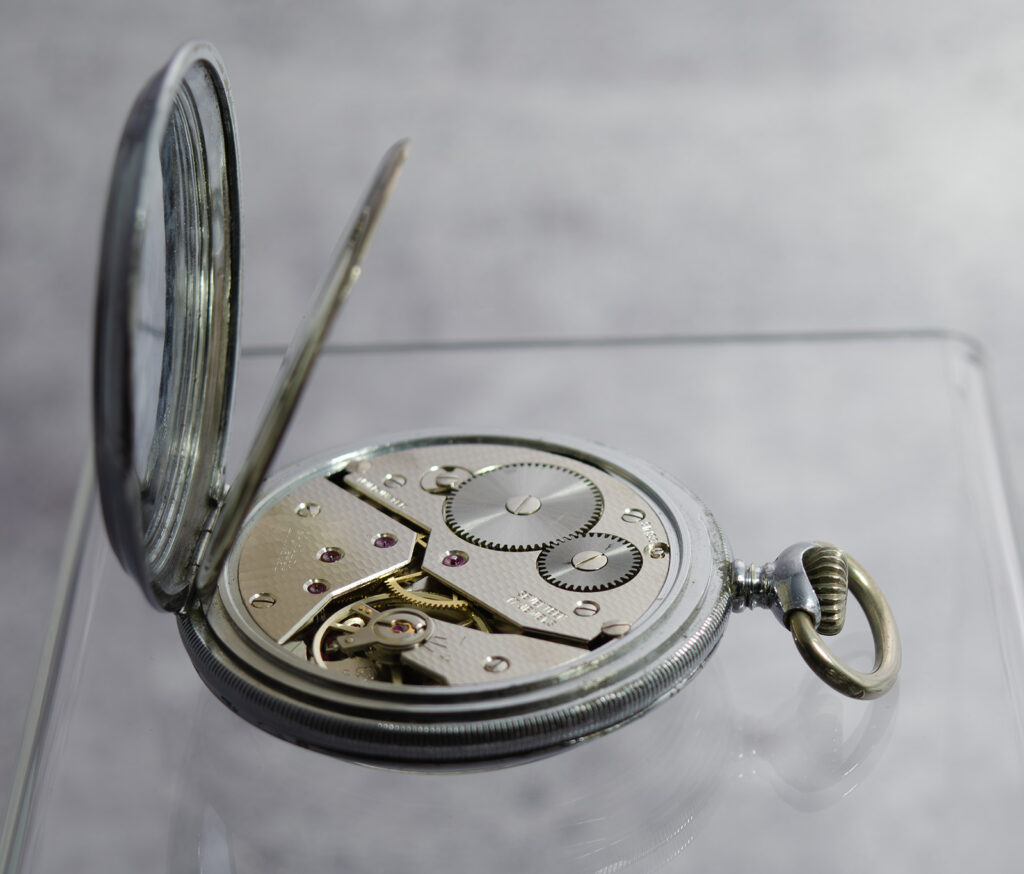
Watch repair professionals and collectors have noted several advantages of the 6431/6445:
- Superior regulation: The moveable stud holder allowed for precise beat adjustment without the complications of later Etachron systems
- Robust construction: 10% larger than the later 6497 movements, providing better stability and easier handling
- Educational value: Watchmaking schools often prefer these movements for teaching due to their clear, traditional construction
- Serviceability: Conventional regulator design and accessible components make maintenance straightforward
The irony is that these “budget” movements were actually quite sophisticated. It would take decades for the watch industry to recognize the quality of these Swiss calibers, with the related 6497 eventually finding its way into modern luxury timepieces.
Collector Appeal and Modern Recognition
Today, the Arnex 6431 occupies a curious niche in the collector market. Its affordability and mechanical pedigree make it an ideal gateway piece for new collectors, while its historical context appeals to seasoned enthusiasts interested in transitional periods of watchmaking.
Current market values reflect this growing appreciation:
- Basic models: $25-75, depending on condition and movement type
- Unitas 6431/6445 examples: $100-150 for complete, working pieces
- Special editions or private labels: $75-200 for unique dial configurations or branded versions
The real value lies not in precious metals or complications, but in the mechanical story these watches tell. They represent a moment when Swiss manufacturers successfully exported affordable quality to American consumers, bridging traditional European watchmaking and modern mass production.
Restoration and Care
For collectors fortunate enough to acquire an Arnex 6431, proper care ensures decades of reliable operation:
Daily Use: Wind gently each morning until resistance increases—the 41-hour power reserve provides comfortable daily wear capability.
Storage: To protect the crystal and case finish, keep dial-up away from magnetic fields and in a soft environment.
Servicing: Professional service every 3-5 years maintains optimal performance. The movement’s conventional design makes it serviceable by most qualified watchmakers familiar with vintage Swiss calibers.
Preservation: Original dials and hands should be maintained whenever possible, as replacements can significantly impact historical authenticity.
Why This Watch Matters

The Arnex 6431 may never rival the prestige of a Patek Philippe or the collecting fervor surrounding American railroad watches, but it tells a story worth preserving. It represents Swiss ingenuity adapted for American consumers, mechanical reliability in an increasingly electronic world, and the democratization of quality timekeeping.
In an era when Swiss watches were often seen as either luxury items or cheap alternatives, Arnex found a middle path—offering genuine Swiss mechanical movements in accessible packages. The 6431 model, with its superior Unitas movement, represents the best of this philosophy.
For modern collectors, these watches offer something increasingly rare: the opportunity to own and wear a piece of horological history without the premium associated with recognized luxury brands. They’re mechanical artifacts that tick with the same rhythm they maintained half a century ago, serving as tangible connections to an era when Swiss watchmaking was adapting to a changing world.
Conclusion
The Arnex 6431 is a testament to the enduring appeal of mechanical timekeeping and the ingenuity of Swiss movement manufacturers. While it may have been positioned as an affordable alternative in its day, the quality of its Unitas 6431/6445 movement and its role in bringing Swiss watchmaking to American consumers give it lasting significance.
For collectors and enthusiasts, the 6431 offers an authentic piece of 1970s horological history. This watch delivered on its promise of reliable, attractive timekeeping while preserving the traditional craft of mechanical watchmaking during an era of rapid technological change.
In the end, the Arnex 6431 proves that significance in horology isn’t always about prestige or price—sometimes it’s about the quiet dignity of a well-made movement doing precisely what it was designed to do, day after day, decade after decade.
Available Now on eBay. This fully restored Arnex 6431 pocket watch is now available for purchase. It’s been professionally serviced and is ready for collectors. 👉 View Listing on eBay